
Carrousel Rave Tug
Put Thrust
in Nature
The CARROUSEL RAVE TUG gives ports and towage operators greater control over large vessels. Its patented freely rotating towing point means the tug cannot capsize under transverse towline load.
- Static Bollard Pull in calm water
- 70 tons
- Measured Multratug 32 Dynamic Pull
- 180 tons
- Total Engine Power, 2× ABC 12VDZC
- 5,300 kW
- Maximum Free-running Speed
- 14.1 kn
- Length Overall
- 31.9 m
Swipe for more specifications
Ships are getting larger.
Ports need more control.
Every vessel arrival puts demands on the people, tugs and space available. Novatug gives ports and towage operators a new way to meet those demands: more control over how a ship slows, turns and comes alongside.
The CRT brings that capability to daily harbour towage, with 6,000 jobs completed by Multratug 32 and Multratug 33.
Discover how the CRT works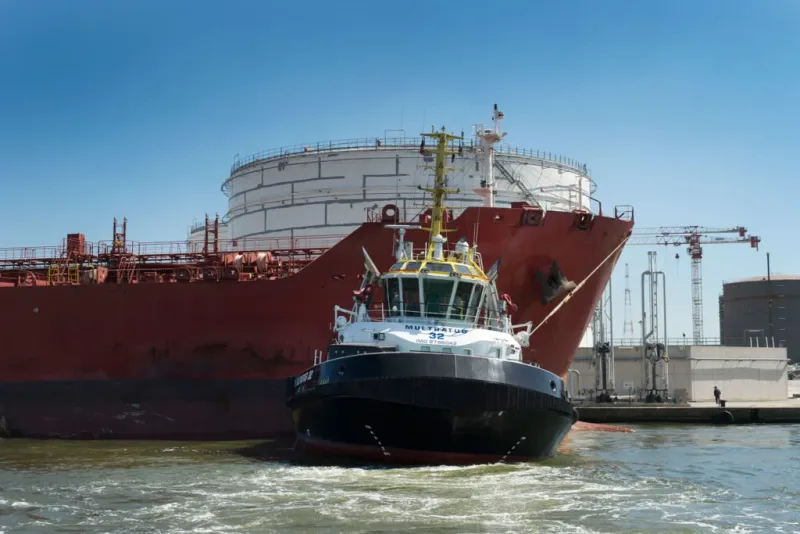
Carrousel
Rave Tug
The Carrousel Towing System features a freely rotating steel ring around the tugboat's hull. This patented design means the tug cannot capsize under transverse towline load, addressing a failure mode that has caused many tug losses.
Combined with Voith Schneider propulsion, the hull generates hydrodynamic lift for braking and steering large vessels — using minimal engine power while maximizing control. As mega-vessels continue to grow (now 15× larger than in 1968), the need for advanced tug control has never been greater.
-
Enhanced SafetyCannot capsize under transverse towline load
-
Maximum Control360° towing capability
-
Fuel EfficiencyLess power, more thrust
Dynamic Control
for Larger Vessels
The CRT turns towage into a more active form of vessel control. Instead of relying only on engine thrust, it uses towline force, hull lift, and 360-degree positioning to help brake, steer, and stabilize large ships while they still have momentum.
This matters because many ports now receive vessels beyond the scale they were originally designed around. More effective towage can extend useful port capacity by addressing the control problem directly, not only the depth problem.
The alternative to dredging: Dredging can deepen a channel, but it does not make a large vessel easier to stop or turn. The CRT acts as floating infrastructure, adding control where fixed infrastructure cannot.
-
Dynamic Bollard PullEffective force in real conditions
-
Hydrodynamic BrakingHull lift supports stopping power
-
Infrastructure LeverageMore control without fixed works
-
Lower Power DemandEfficiency depends on operation

Five forces are making vessel control harder
Larger vessels, tighter schedules and constrained infrastructure increase the value of control in confined waters. Dredging addresses depth; the CRT addresses how a vessel is stopped and turned.
How to Handle Giant Ships
See how the rotating towing point and hull work together during a vessel assist.

Voices from CRT operations
Perspectives from tug masters and operators, originally published in Novatug's June 2019 whitepaper.
“For me as a captain, this means that the work is easier because the tug offers more possibilities through its maneuverability. It brings more rest because the risk of capsizing due to towline forces is no longer present.”
“The actual measured difference over the charter period was an average of 260 litres per hour on the port's own tugs and 160 litres per hour for the CRT.”
A purpose-built CRT, configured for your operation
Novatug coordinates the development and deployment of complete CRT newbuilds. The vessel, commercial structure and training programme are shaped around the port, assisted vessels and operating profile.
Define the operation
Start with the port, assisted vessels, duty cycle and local conditions.
Configure and validate
Shape the vessel and commercial structure, visit operating CRTs and test scenarios in the full-mission simulator.
Build, train and deploy
Coordinate the newbuild and prepare crews for the manoeuvres their operation requires.
Battery-electric development. A fully electric CRT can be developed jointly. Lower operating power demand means less battery capacity may be needed, while the final battery and propulsion configuration is determined by the vessel's round-the-clock operating profile.
Discuss a CRT deploymentGo deeper into
vessel control.
Read the research behind the CRT and explore its operational capabilities.
Browse the researchThe Novatug Timeline
From a visionary design contest entry to operating CRTs, advanced training and full-mission simulation.
Swipe or use the arrow controls to explore the timeline.

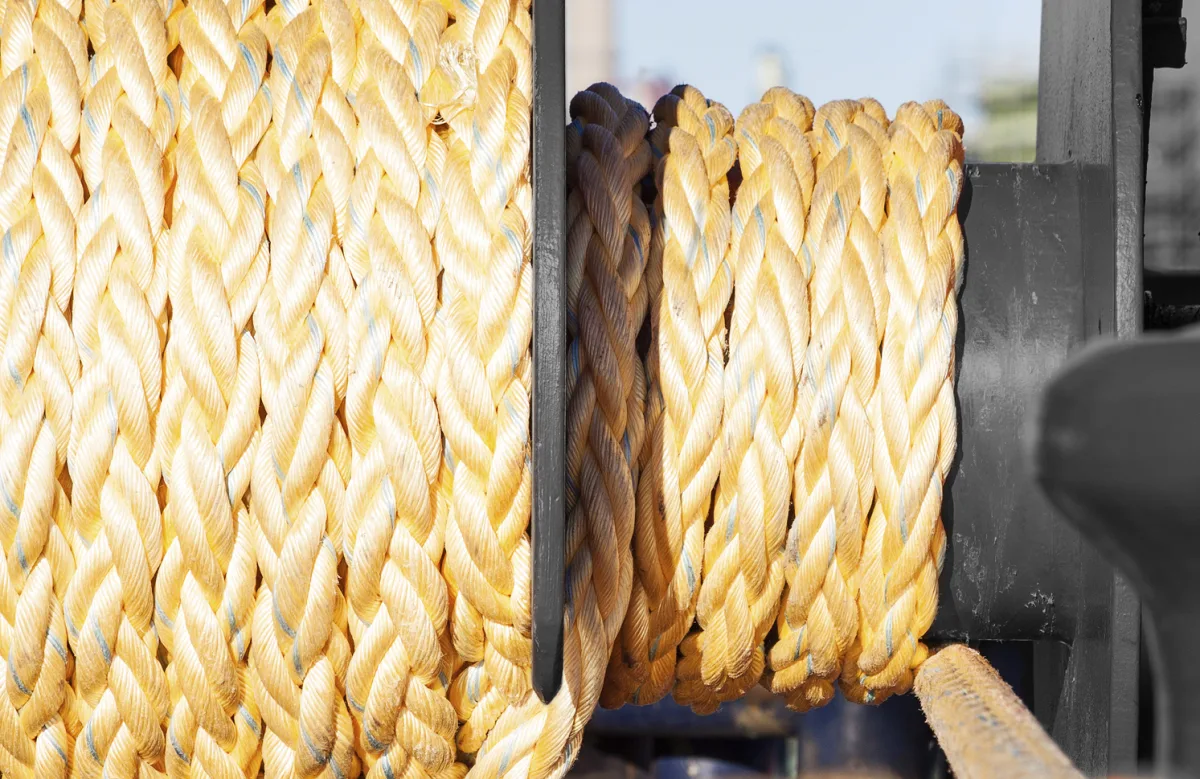
The idea is born
Dr. M. van der Laan enters the design contest 'Tug of the Future' with the revolutionary Carrousel towing concept.
Muller family shows first interest
The Muller family, owners of Multraship, recognizes the potential of the Carrousel towing system.
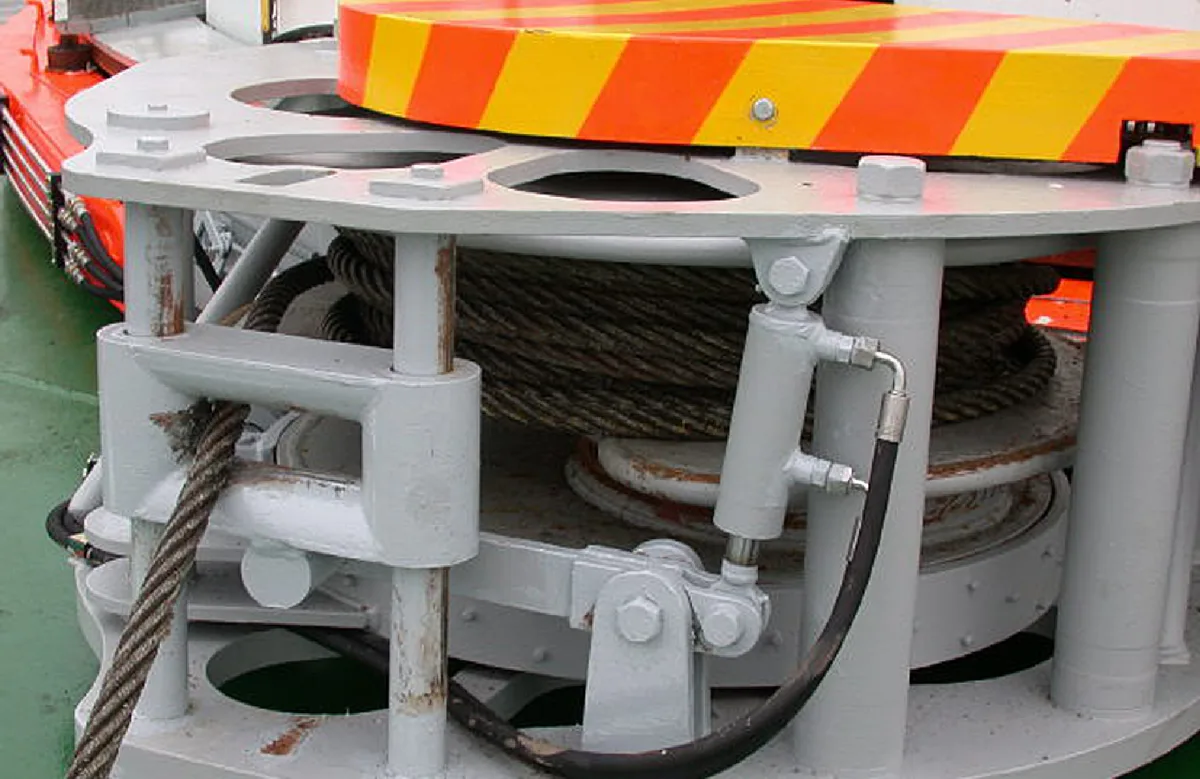
Patent granted
Patent granted to Dr. Van der Laan's company, IMC BV, for the Carrousel towing concept.
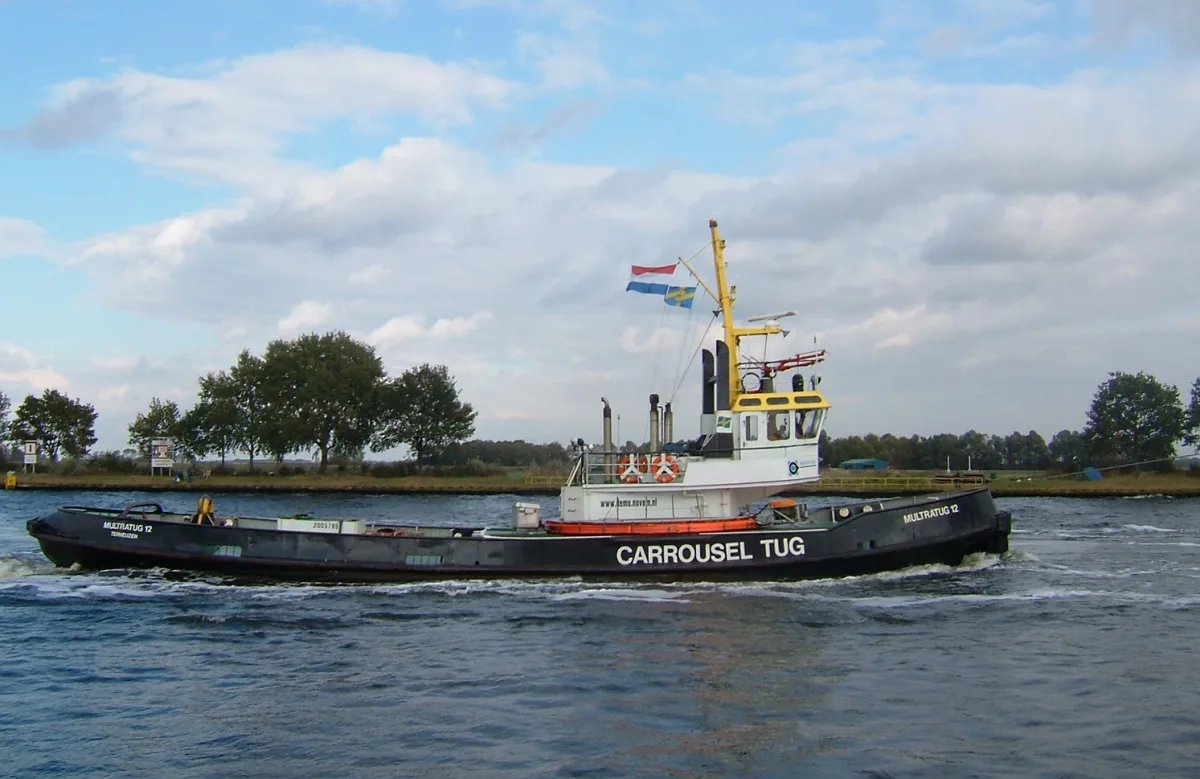
Novatug launched
Novatug is founded to develop the Carrousel towing system. An existing tug is retrofitted with Carrousel technology as proof of concept.
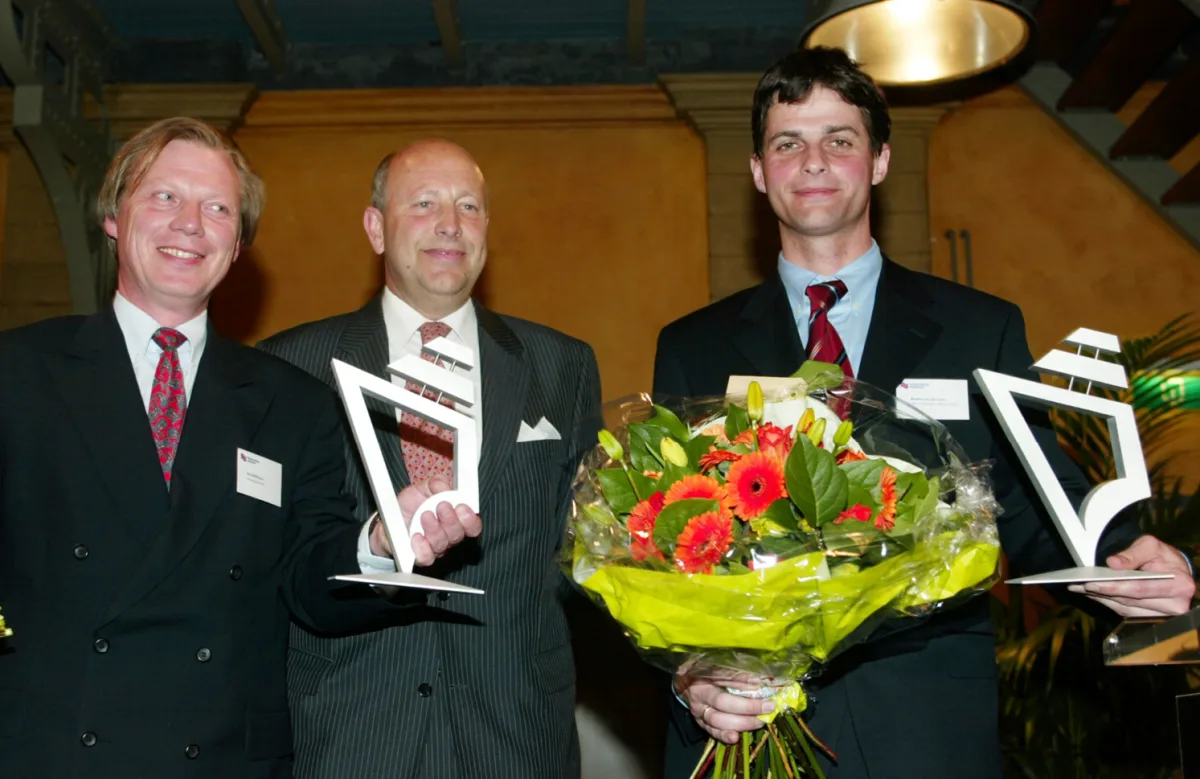
Dutch Maritime Innovation Award
Carrousel tug concept wins the prestigious Dutch Maritime Innovation Award. Novatug invests in R&D, business modelling and partnerships.
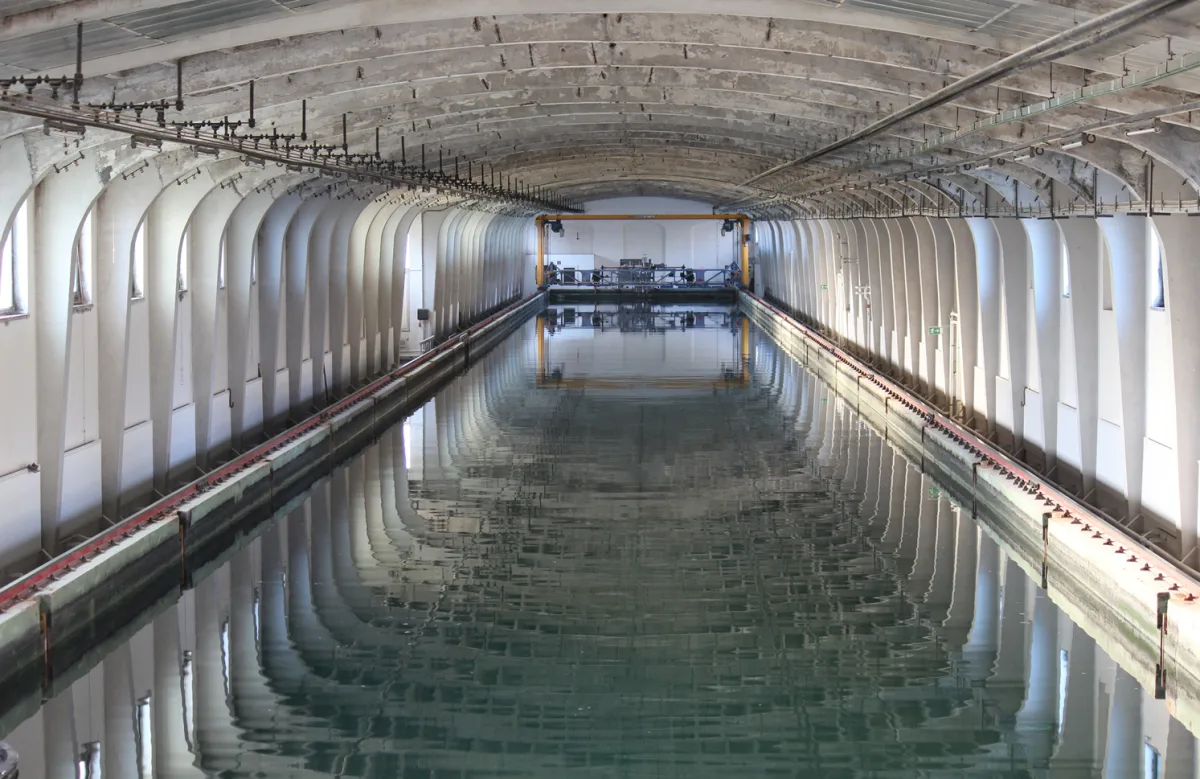
Robert Allan Ltd. commissioned for first CRT design
Novatug partners with the world-renowned naval architecture firm to bring the CRT concept to reality.
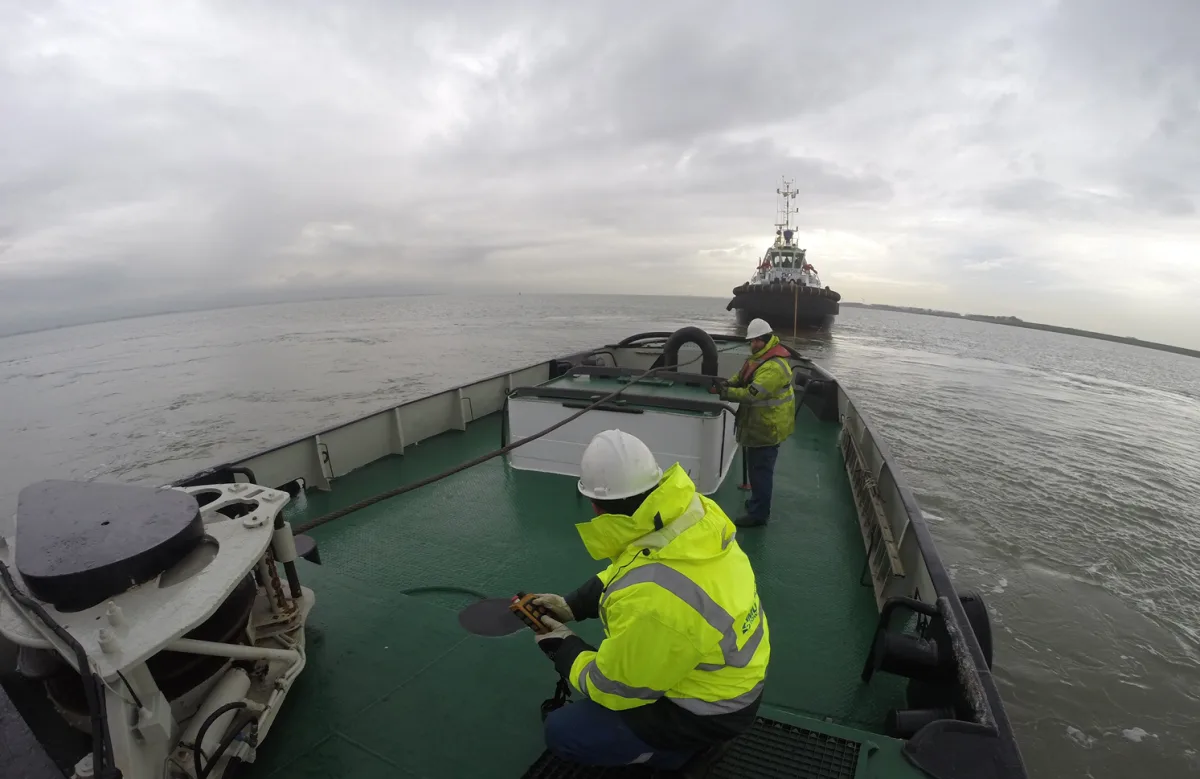
Bureau Veritas involved as classification society
Classification and regulatory approval process begins for the CRT design.
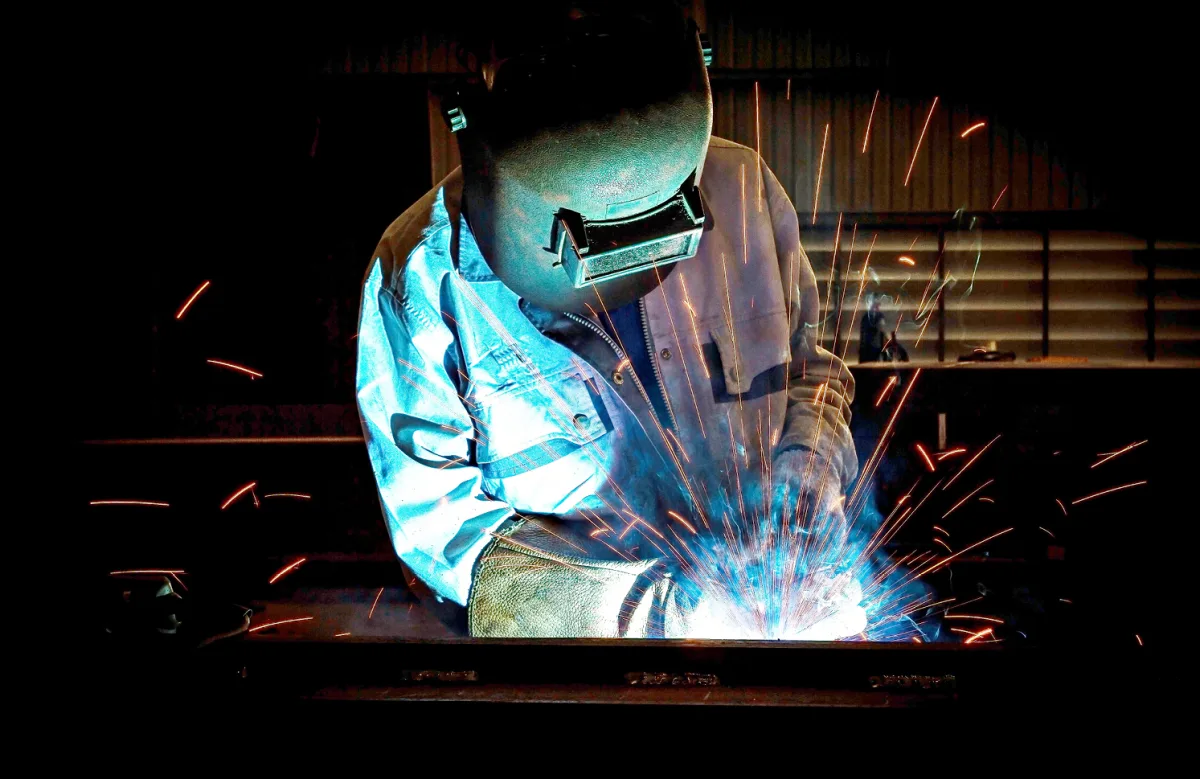
Construction begins
Van der Velden Barkemeyer GmbH starts building CRT's. Theodor Buschmann GmbH starts building bodies. Novatug commissions Damen Shipyards Group BV. Official signing at Europort Fair Rotterdam.
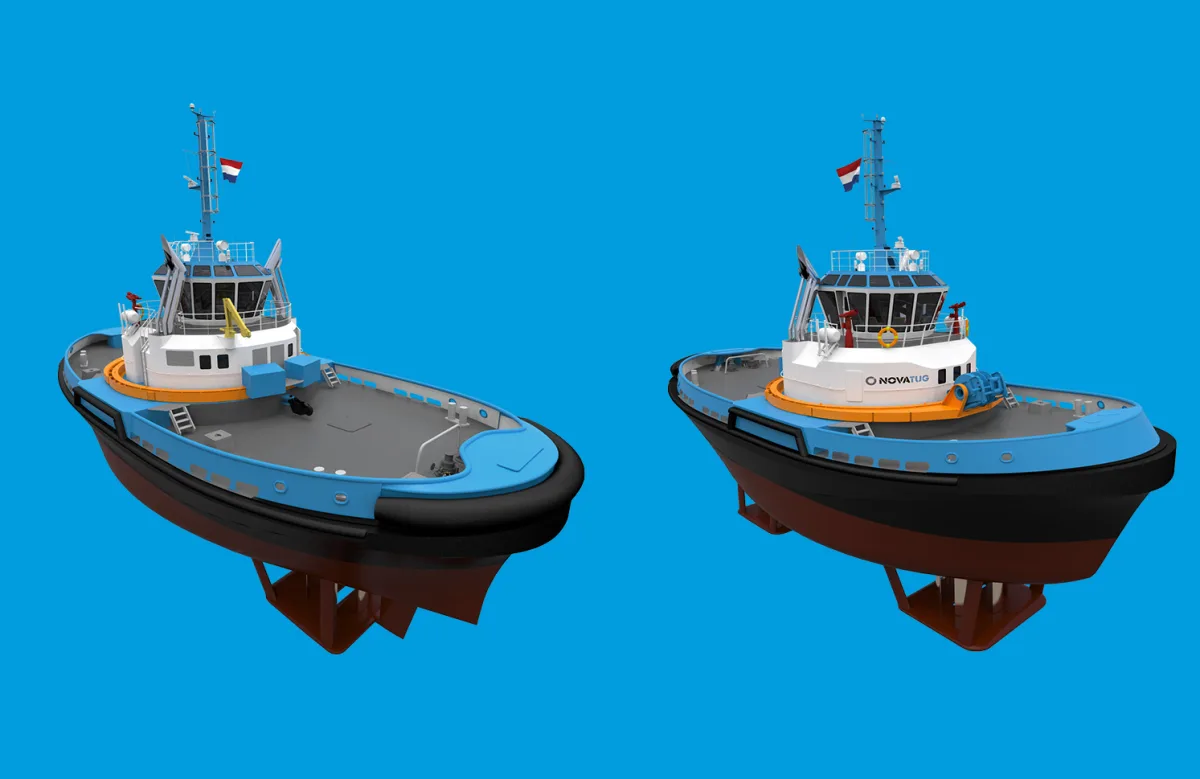
Customer Multraship starts operating first CRT's
The world's first CARROUSEL RAVE TUGS begin commercial operations.
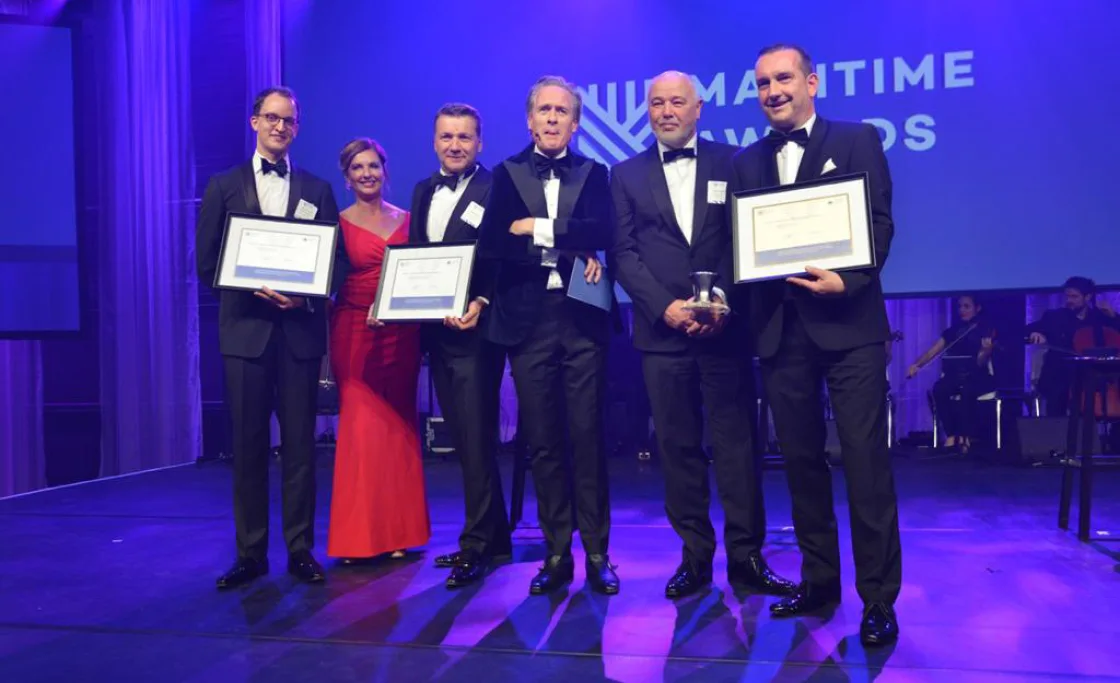
Novatug wins Maritime KVNR Shipping Award
Recognition for outstanding innovation in the maritime towage industry.
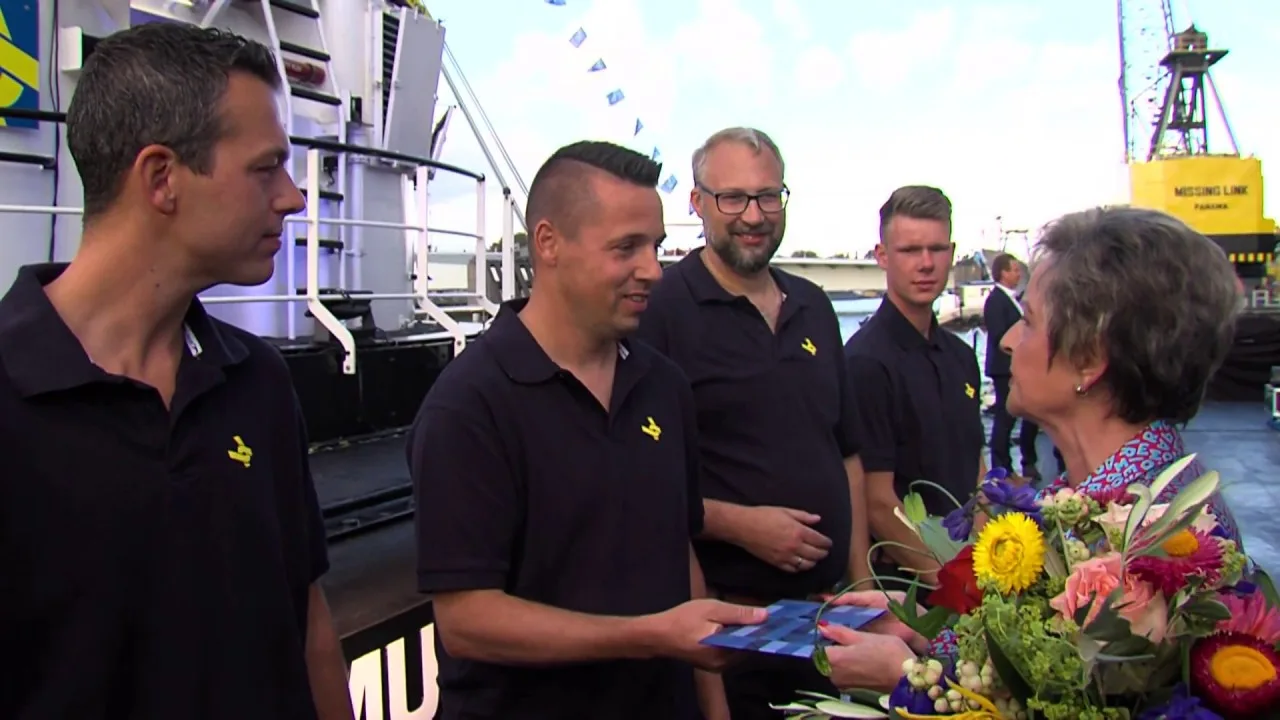
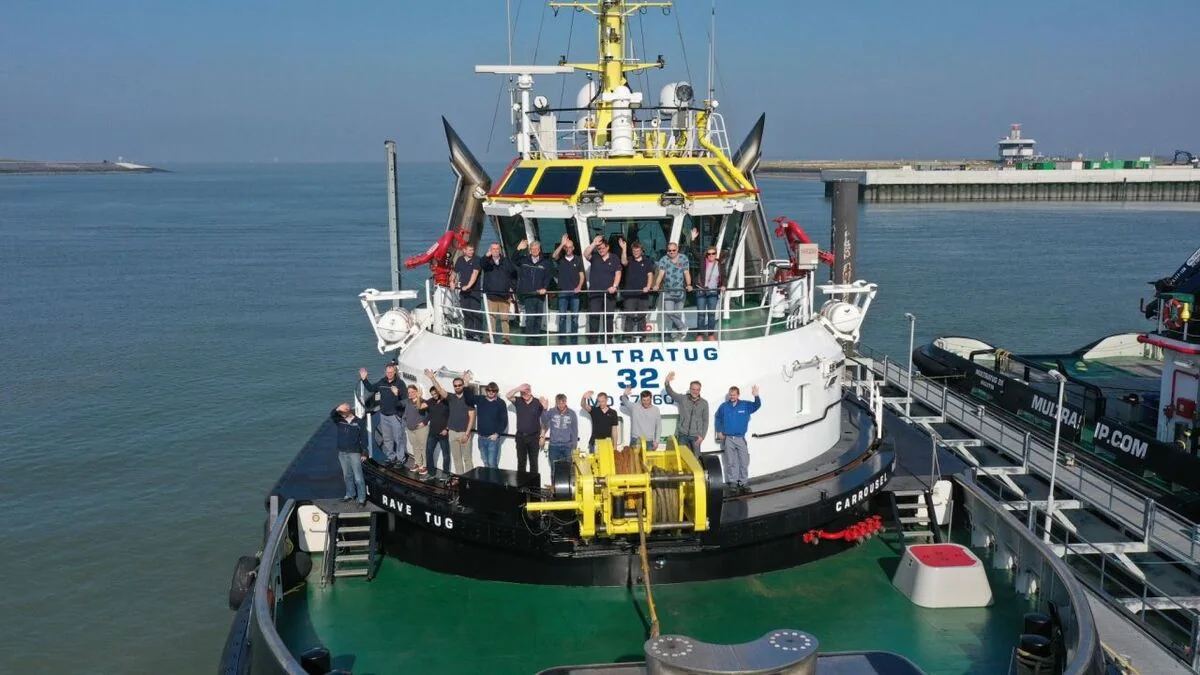
Two brand new CRT's were named
Multraship held the christening ceremony for Multratug 32 and Multratug 33 at Rotterdam.
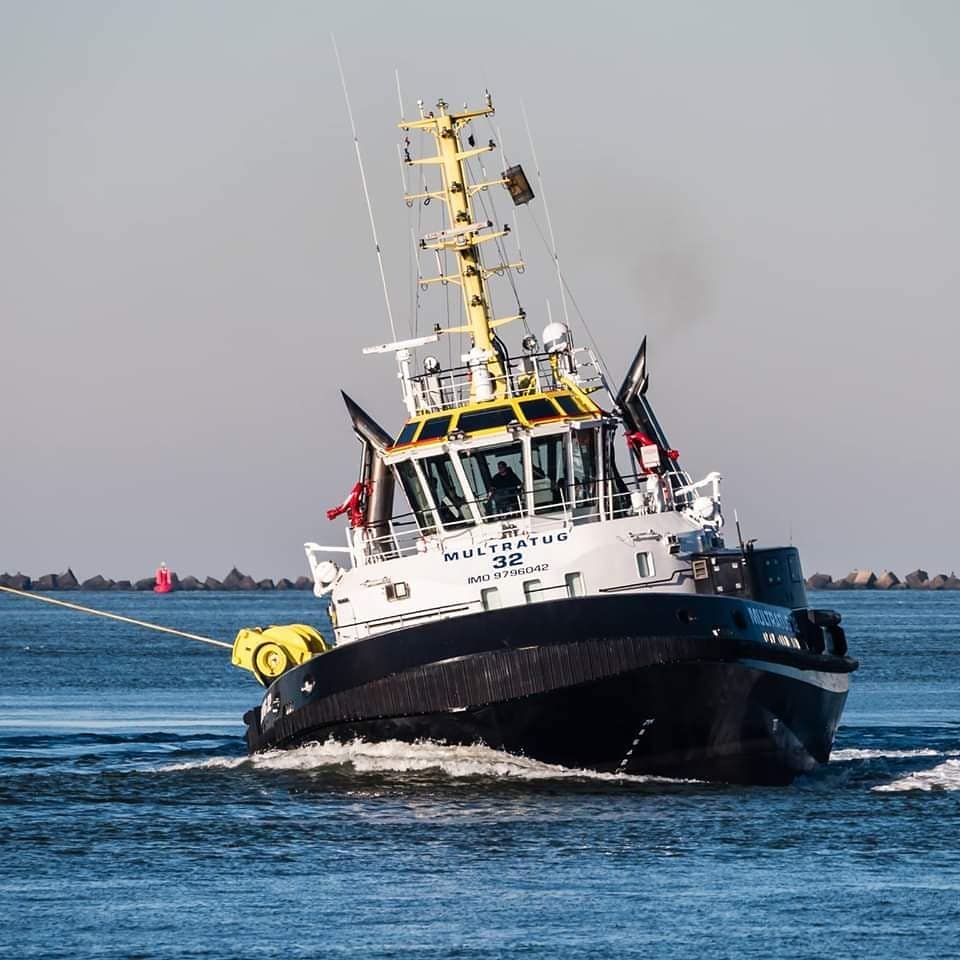
First 1,000 jobs completed
Multratug 32 and Multratug 33 reach a combined total of 1,000 jobs across Antwerp, Vlissingen and Terneuzen.
Remote-controlled towage trial
Multraship, Novatug, Voith and MacGregor remotely control Multratug 32 from a shore station during full-scale trials, including assisted-vessel handling, dynamic positioning and remote transfer-line handling.
Watch the trial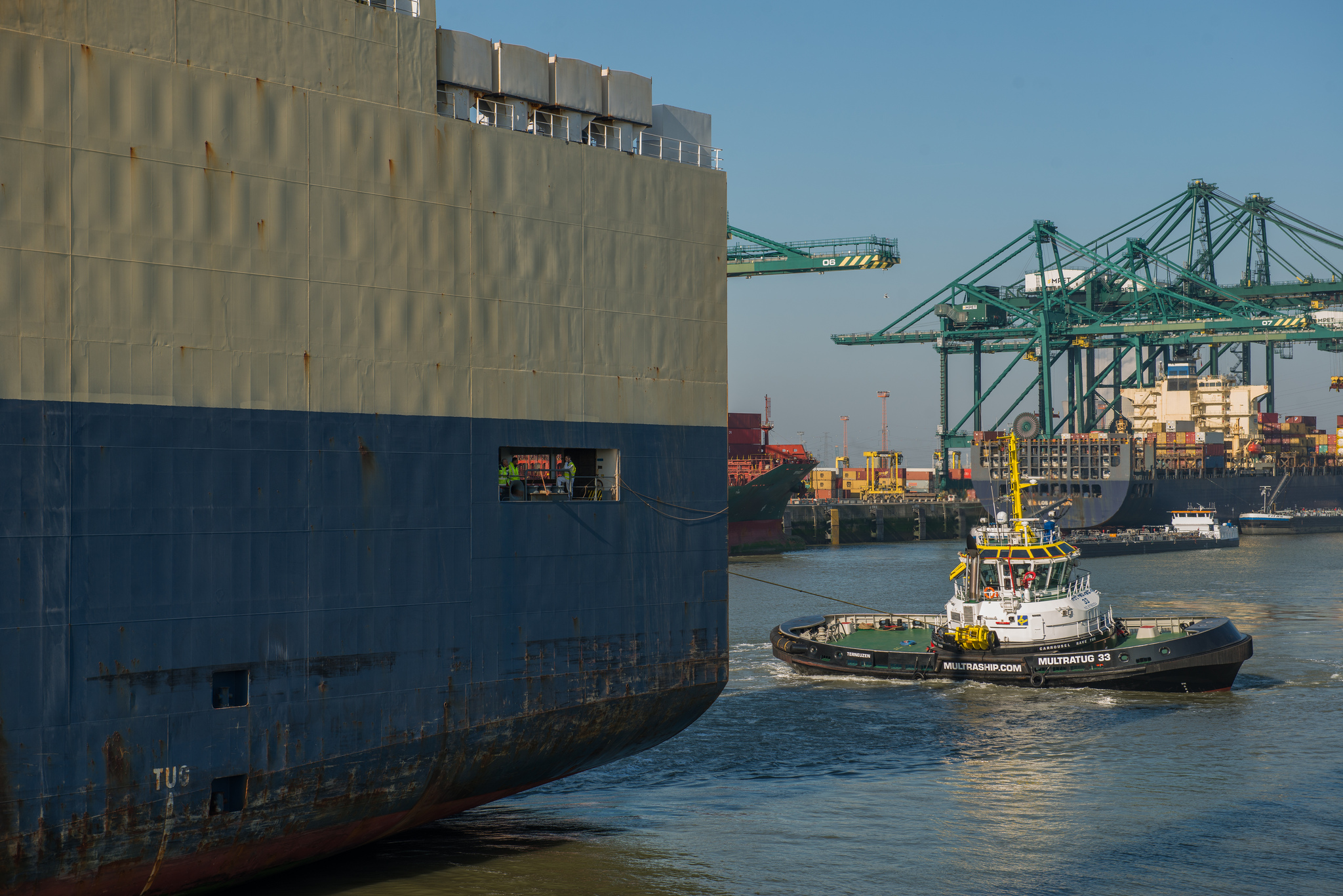
2,500 jobs completed
Multratug 32 and Multratug 33 reach a combined total of 2,500 jobs across Antwerp, Vlissingen and Terneuzen.
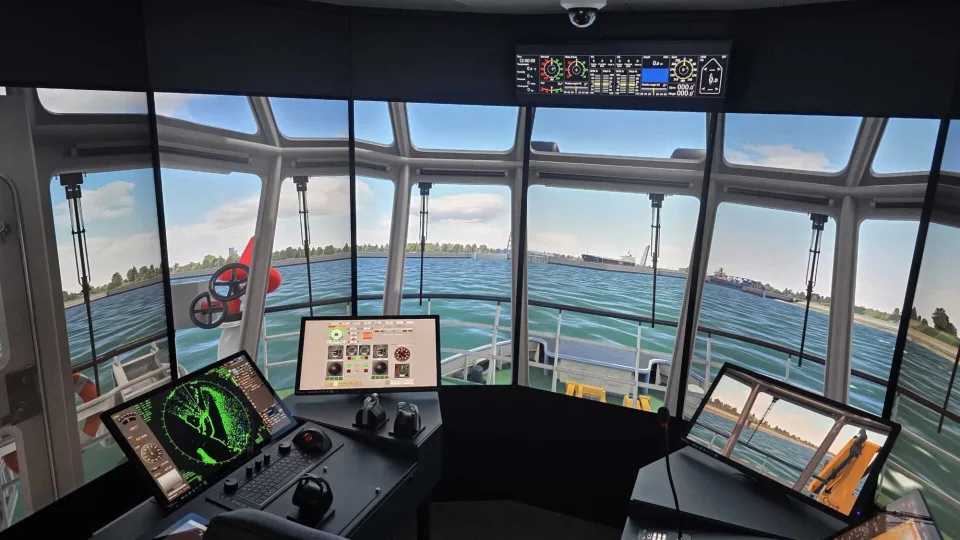
Full-mission CRT simulator launched
Novatug and Multraship launch an advanced Wärtsilä-based training centre in Terneuzen, including a high-fidelity digital CRT model for complex towage and vessel-handling scenarios.
Explore training & simulationFrequently Asked Questions
What is the Carrousel Rave Tug?
The Carrousel Rave Tug (CRT) is a patented tugboat design developed by Novatug B.V. Its freely rotating towing ring means the tug cannot capsize under transverse towline load. Combined with Voith Schneider propulsion, the CRT generates hydrodynamic lift for braking and steering large vessels. Multratug 32 is rated at 70 tonnes static bollard pull and has reached up to 180 tonnes of dynamic line force in operation.
Who makes the Carrousel Rave Tug?
The Carrousel Rave Tug is developed by Novatug B.V., based in Alphen aan den Rijn, the Netherlands. The concept was invented by Dr. M. van der Laan and patented in 2000. The first commercial CRTs entered commercial operation with Multraship in 2017.
What is dynamic bollard pull and why does it matter?
Dynamic bollard pull is the force a tug delivers while assisting a moving vessel. The CRT uses hydrodynamic lift to generate braking and steering force. Multratug 32 delivers 180 tonnes of dynamic bollard pull and has a static bollard-pull rating of 70 tonnes.
Can the Carrousel Rave Tug capsize?
The CRT cannot capsize under transverse towline load. The freely rotating towing ring around the hull keeps the towing point aligned with the towline instead of allowing a transverse load to create a capsizing moment.
Is the Carrousel Rave Tug commercially available?
Yes. The first Carrousel Rave Tugs entered commercial operation with Multraship in 2017. Contact Novatug B.V. at info@novatug.nl or +31 (0) 172 533 705 to discuss long-term deployment, leasing, or joint development.