Five forces are reshaping towage

Ships are larger, ports are tighter, and the pressure on every assist is climbing. The Carrousel Rave Tug is designed to answer all five through greater vessel control.

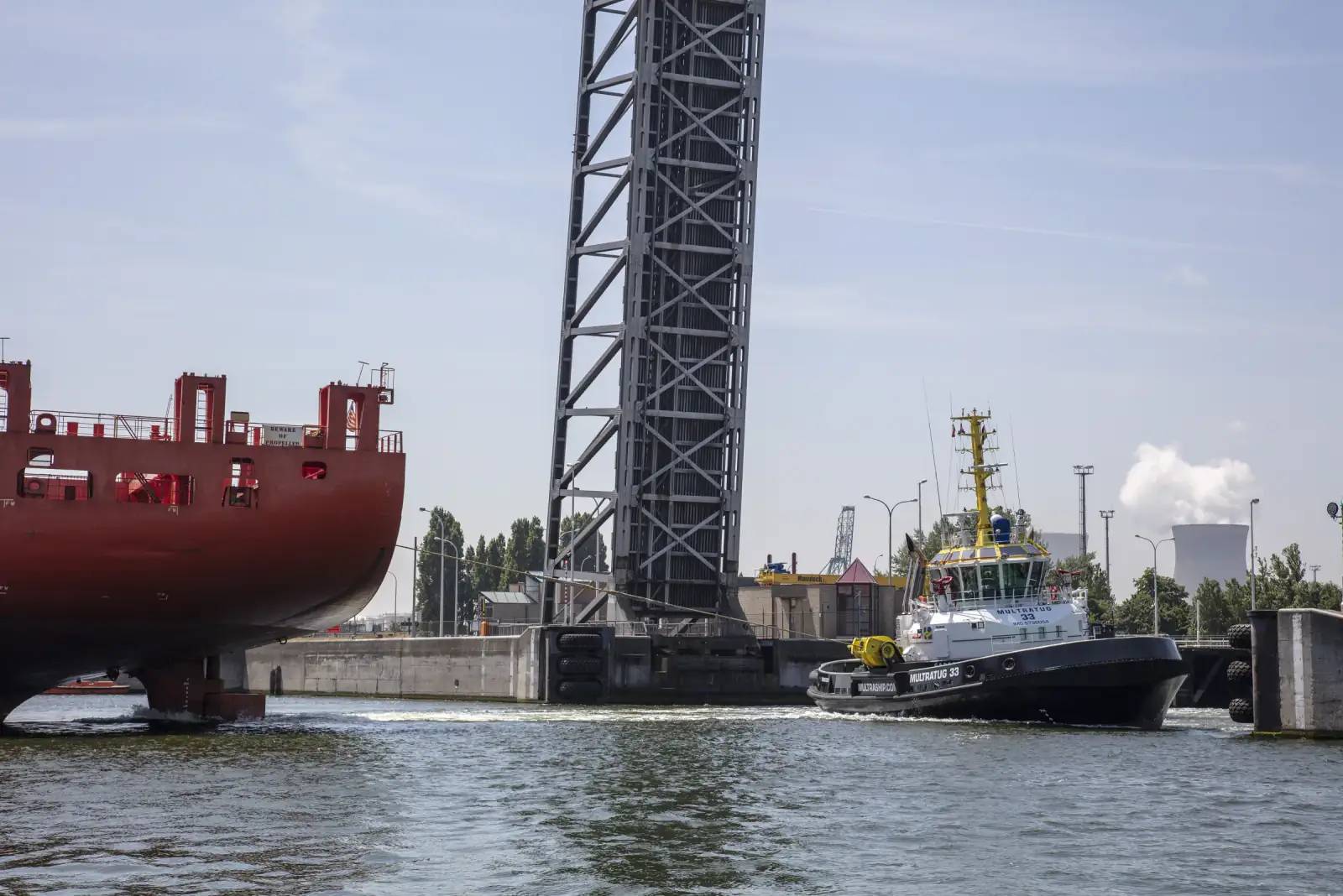
How the CRT handles large vessels

See how the freely rotating towing point and hydrodynamic hull forces provide control during an assist.

Novatug CRT megatrends video

Frequently Asked Questions

Which megatrends are reshaping maritime towage?

Five forces: scale (larger vessels), speed (control through every phase of the approach), safety (vessel control and tug stability), sustainability (fuel use and emissions) and smartness (connected, computer-assisted operation).

Why do larger ships make towage harder?

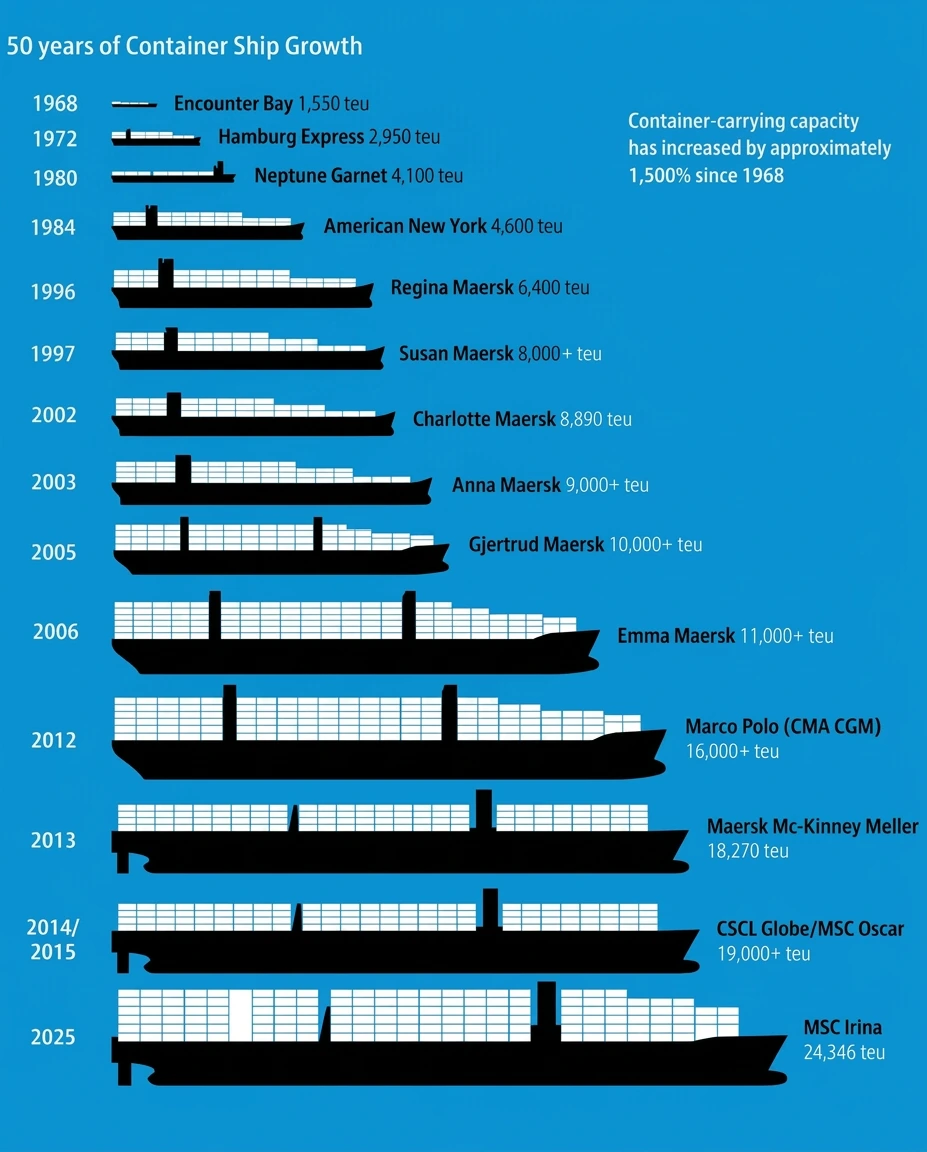
Container-carrying capacity has expanded roughly fifteenfold since 1968, and vessel classes have grown faster than turning basins, berths and access channels can be rebuilt. Ship calls carry more cargo per movement with less room for correction, so towage must create more steering and braking authority in less space.

What is girding and how does the CRT avoid it?

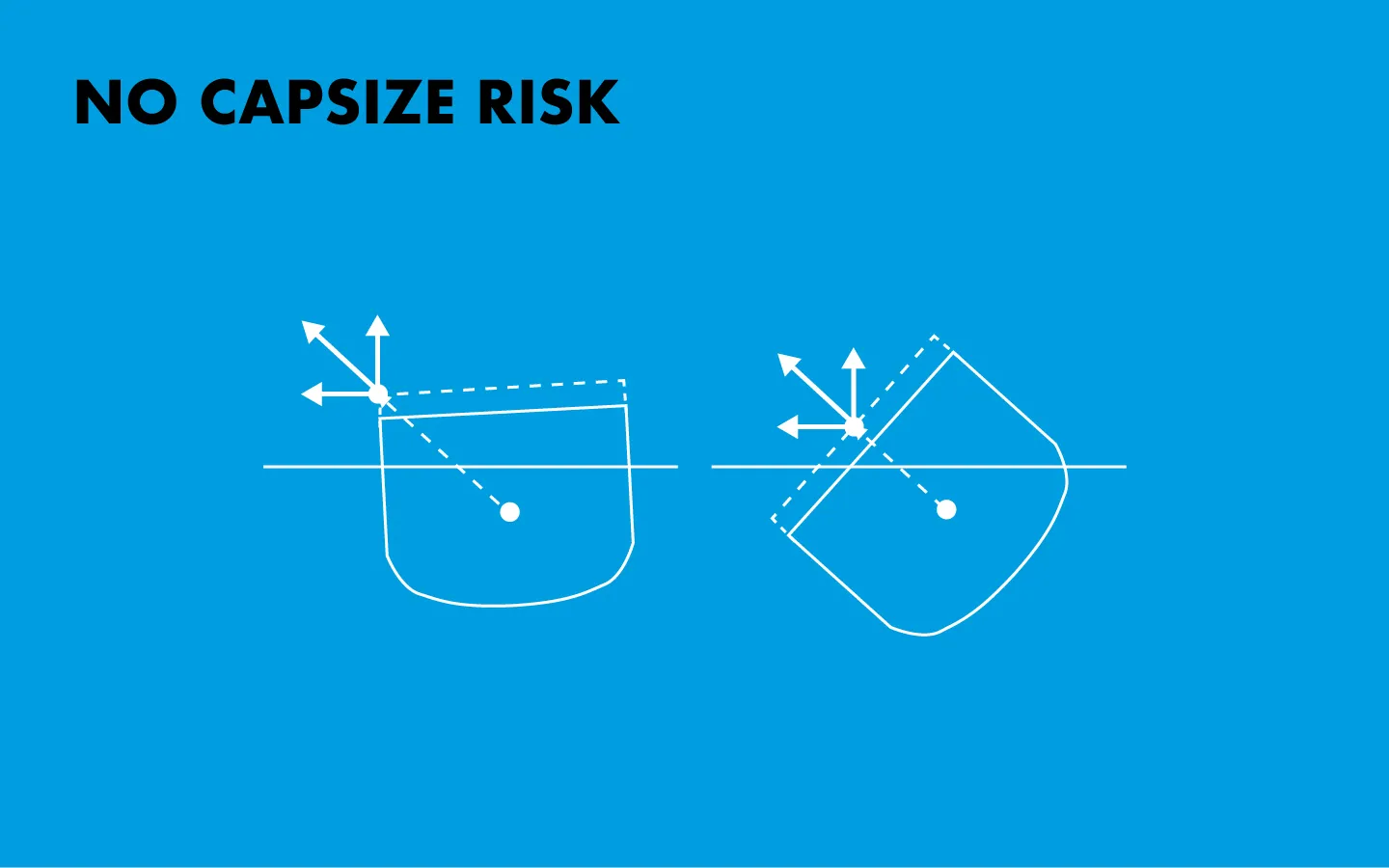
Girding happens when transverse towline load pulls a tug over; it can capsize a conventional tug. On the CRT, the towing point moves freely around the Carrousel ring, which eliminates the mechanical cause of girding, so the CRT cannot capsize under transverse towline load.

Can the CRT help make electric towage practical?

The CRT uses water flow around its hull to generate braking and steering force, which reduces the propulsion energy needed per assist. For the same duty profile, that can reduce the battery capacity and shore-charging power required. Actual sizing also depends on peak power, schedule, charging windows, reserves, climate and battery degradation. A fully electric regenerative CRT remains a development concept.

Does smarter towage mean replacing the crew?

No. The CRT provides a platform for computer-assisted, human-in-the-loop systems that support crews without removing operational responsibility. Judgement remains with the crew.

Five pressures. One technical conversation.

If these pressures shape your operation, discuss where greater vessel control could change the constraints.