Static vs Dynamic Bollard Pull: What Escort Towage Needs to Show
Static bollard pull is a useful certified reference. Escort towage also needs clear steering and braking performance data at speed.

Static bollard pull is a useful certified reference. Escort towage also needs clear steering and braking performance data at speed.
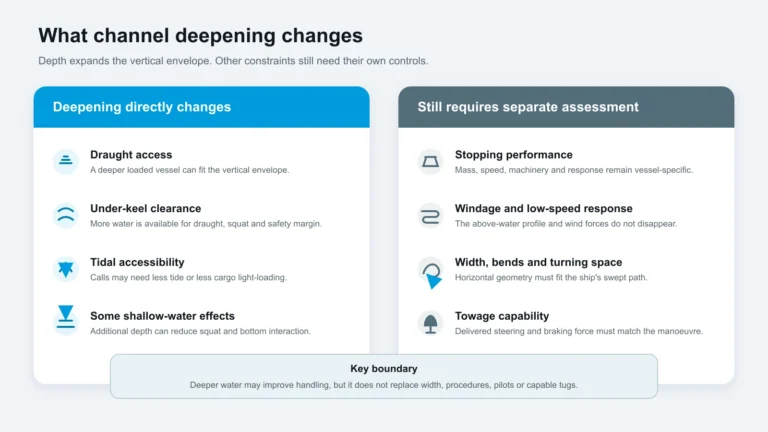
Dredging can provide the depth and under-keel clearance larger ships need. It cannot by itself provide shorter stopping distances, lower windage, wider turns or adequate towage control.
Container shipping is adding capacity faster and in larger vessels. The operational question for ports is how vessel control and towage keep pace.
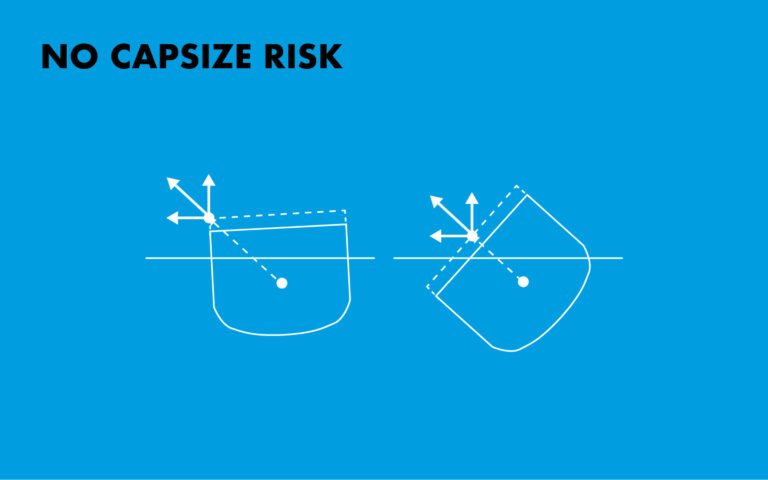
Tug girding is a rapid force-and-geometry failure. Official accident reports show how transverse towline load develops, why recovery time disappears, and which controls matter.
Channel depth and berth length do not tell the whole story. A port also needs enough control to move large vessels safely.
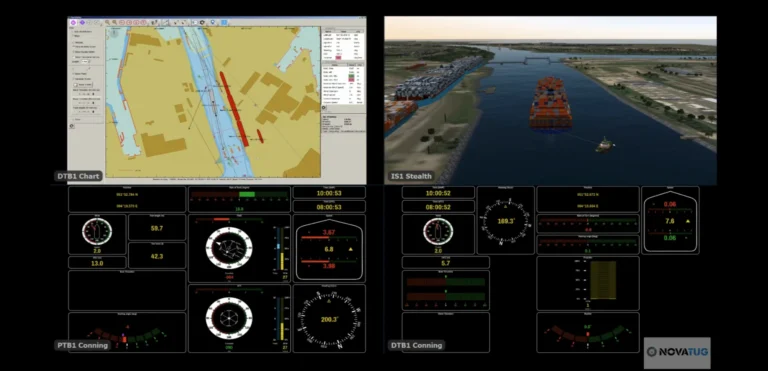
A Novatug simulator study tested one connected Carrousel Rave Tug after a containership lost propulsion near critical infrastructure.
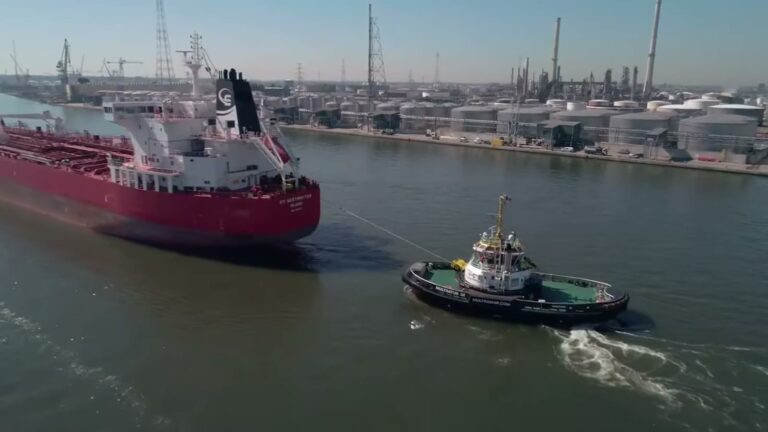
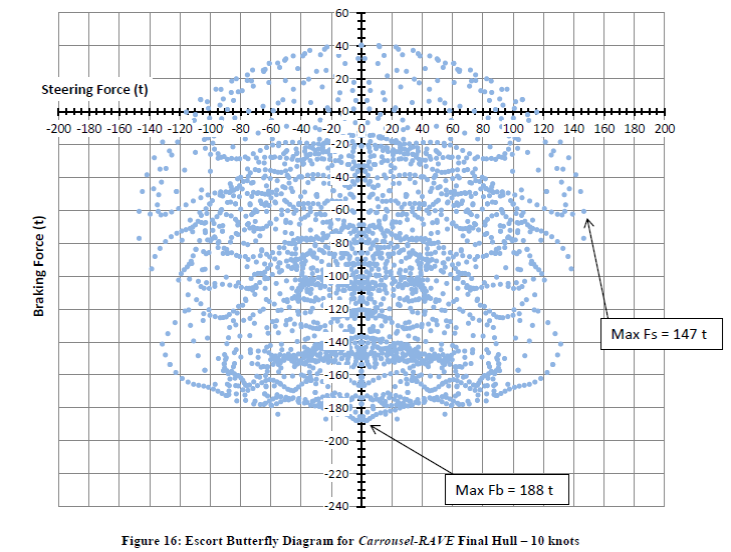
Escort tugs control a moving ship by applying steering and braking force through a connected towline. The useful force depends on speed, position, geometry and tug design.
Larger container ships move through the network, bringing vessel-control and infrastructure demands to ports that may not have planned for them.
The scope, source hierarchy, classification rules and limitations behind Novatug’s live maritime incident dataset.